
Most Mandurah small business owners I talk to about AI fall into one of two camps. Either they think it doesn’t apply to them, or they’ve heard enough buzz to be curious but have no idea where to start. Both are completely understandable.
Here’s what AI consulting for a small business actually looks like in practice — and what the first conversation usually covers.
The First Thing to Get Out of the Way
When I sit down with a business owner to talk about AI, the first thing I need to address is what they think it is.
A lot of people picture robots. Automation that replaces staff. Something complicated that requires a tech team to set up. That’s not what we’re talking about for most small businesses. What we’re actually talking about is software that helps you get things done faster — writing, research, summarising information, drafting emails, building documents, answering customer questions. Things you’re already doing, just quicker and with less effort.
It’s not a replacement for people. It’s more like giving the people in your business a better set of tools.
And it absolutely doesn’t apply to every business or every situation. Part of what I do is have an honest conversation about where AI can genuinely help and where it’s going to create more problems than it solves.

What “No Commissions” Actually Means
There’s a growing number of so-called AI experts who recommend specific tools or platforms because they’re getting a kickback from the company behind them. You end up being pushed towards whatever they’re affiliated with, regardless of whether it’s the right fit for your business.
We don’t work that way. There’s no connection to any particular AI company or platform. When I recommend a tool, it’s because it’s the right one for how your business actually operates — full stop.
Where to Start
Rather than overhauling everything at once, I look for small wins. Tasks that are already part of your day, take up more time than they should, and are a good fit for what AI currently does well.
For most small businesses, that tends to be things like drafting content, responding to enquiries, summarising long documents, creating templates or building out systems that currently live in someone’s head. These aren’t glamorous use cases but they’re genuinely useful and they don’t require significant setup or technical knowledge. If you want specific examples, here are 5 AI tools that can save your small business 10 hours a week.
I use AI extensively in my own business. It’s not an exaggeration to say it’s multiplied my output significantly — things that used to take half a day now take an hour. That’s the practical reality of it when it’s applied to the right tasks.
Which Tools Are Worth Looking At
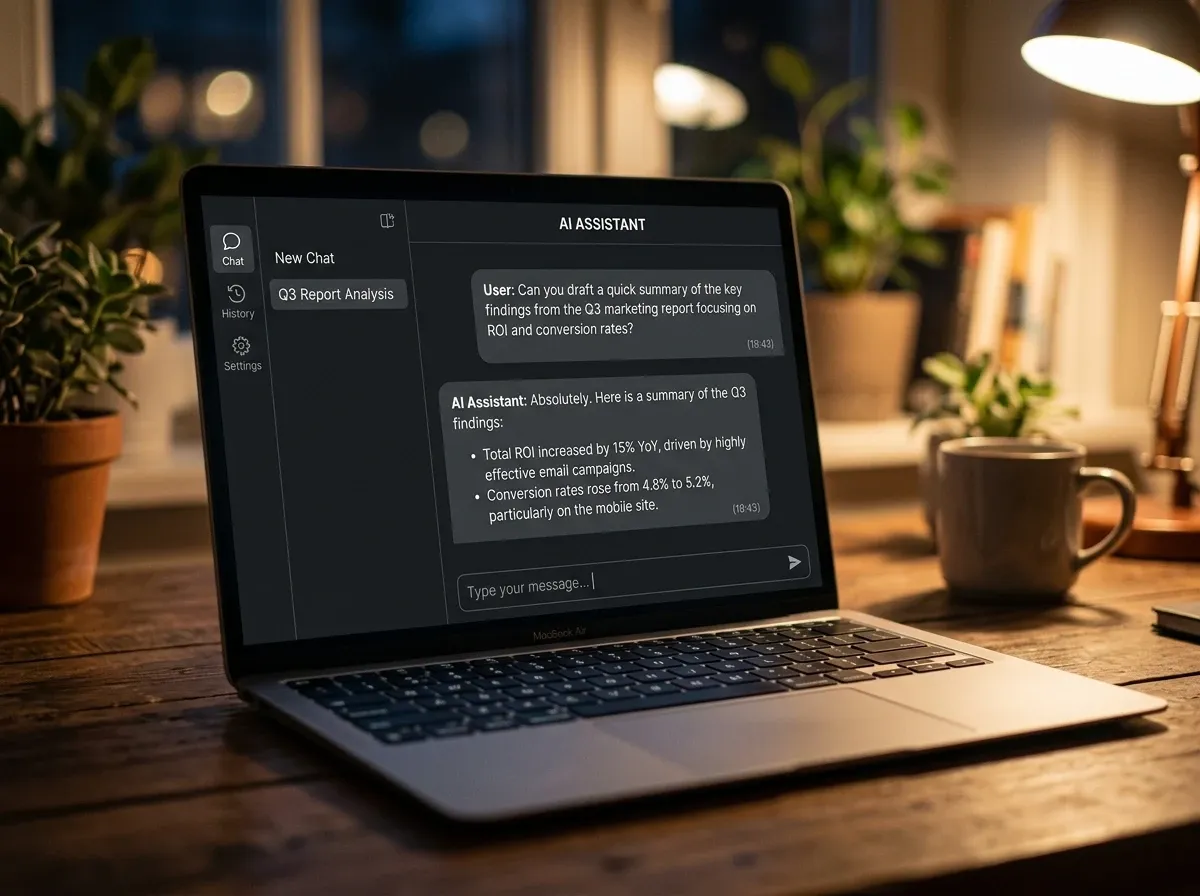
Most people have heard of ChatGPT. It’s where the conversation usually starts. But it’s not always where I recommend people end up.
For businesses already running on Google Workspace — Gmail, Google Drive, Google Docs — Gemini makes a lot of sense. It integrates directly into the tools you’re already using, so there’s less friction getting started and it fits into existing workflows without adding another platform to manage.
For general use, I tend to steer people towards Claude. As of early 2026, I think it produces better results for most of the tasks small business owners actually need help with — writing, analysis, thinking through problems — and the direction it’s heading makes it a strong long-term choice. Things change fast in this space and that assessment will evolve, but that’s where I stand right now.
The honest answer is that the best tool is the one that fits how you work. That’s what the consulting process is actually about — figuring that out for your specific situation rather than giving everyone the same answer. If you’re not sure where to actually start with AI, that’s exactly what the first session covers.
What AI Consulting Is Not
It’s not a subscription to a platform. It’s not someone setting up a chatbot on your website and calling it done. And it’s not a guarantee that your business will suddenly run itself.
What it is is a practical conversation about where AI fits in your business right now, what’s worth trying, what’s not worth the effort and how to get started without wasting time on things that don’t apply to you. You can see the full scope of what we cover on our AI consulting service page.
For some businesses, that conversation leads to a few simple tool recommendations and some guidance on how to use them. For others, it leads to building out more involved workflows or systems. It depends entirely on the business.

Is This Relevant to Your Business
If you’re spending time on repetitive writing tasks, struggling to keep up with emails, or finding that things fall through the cracks because there aren’t enough hours in the day — there’s probably something here worth looking at. We’ve written about what AI will actually do to your workload if you want the realistic picture.
If you’re expecting AI to replace staff, run your business autonomously or deliver results without any effort on your part — it’s probably not the right time for this conversation.
The businesses that get the most out of AI right now are the ones that approach it practically. Start small, pick one thing, get good at it and build from there.
If you’re based in Mandurah or the Peel region and want to have that first honest conversation about where AI might fit in your business, get in touch or call 0432 792 056.