
If you’ve spent any real time using AI for your business, you’ve hit this wall. Every new conversation, you’re explaining the same things again. Your brand voice. How you like documents formatted. The way your reports need to be structured.
It gets old fast.
That’s the problem Claude Skills were built to solve. And honestly, most business owners haven’t even heard of them yet.
So What Actually Is a Skill?
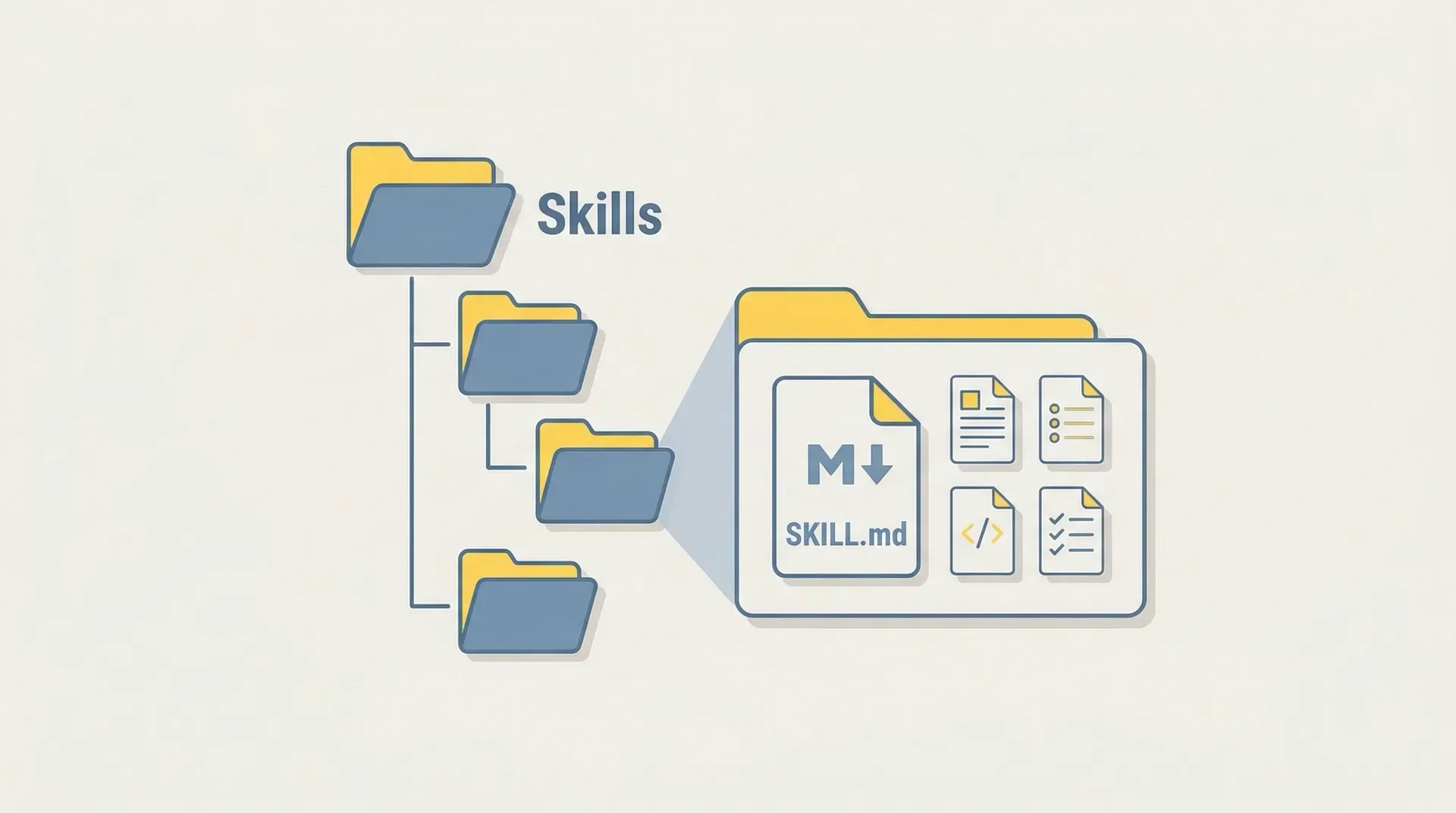
A Skill is just a folder with a set of instructions written in a simple markdown file called SKILL.md. That’s it. No coding required for the basics. You write out how you want Claude to handle a specific task — your brand guidelines, your document templates, your preferred workflow — and Claude loads those instructions automatically whenever they’re relevant.
Think of it like onboarding a new team member. You wouldn’t explain your entire process from scratch every single morning. You’d write it down once, hand them the guide, and let them get on with it. Skills work the same way.
How Do They Actually Work?
Here’s the clever bit. Claude doesn’t load every Skill you’ve got all at once. That would be like making your new hire memorise the entire company handbook before they start their first task.
Instead, Claude uses something called progressive disclosure. It scans the names and descriptions of your available Skills, figures out which ones are relevant to what you’re asking right now, and only loads the full instructions for those. The rest stay out of the way.
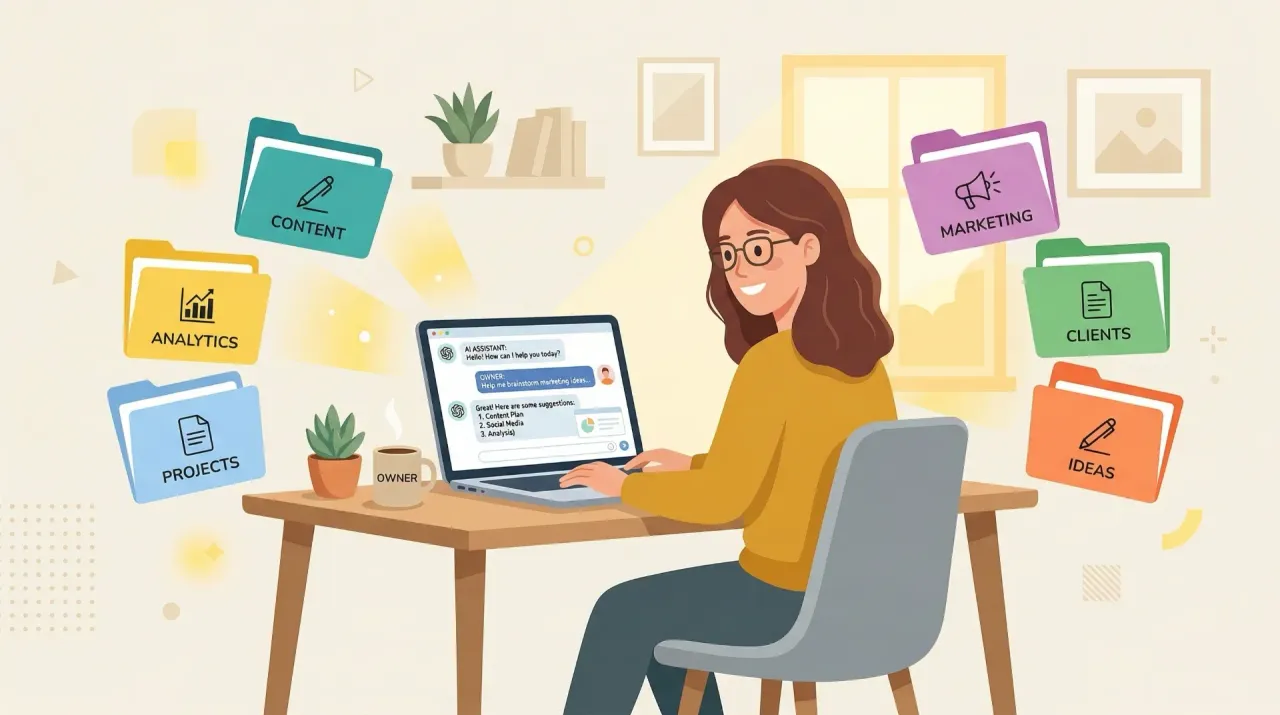
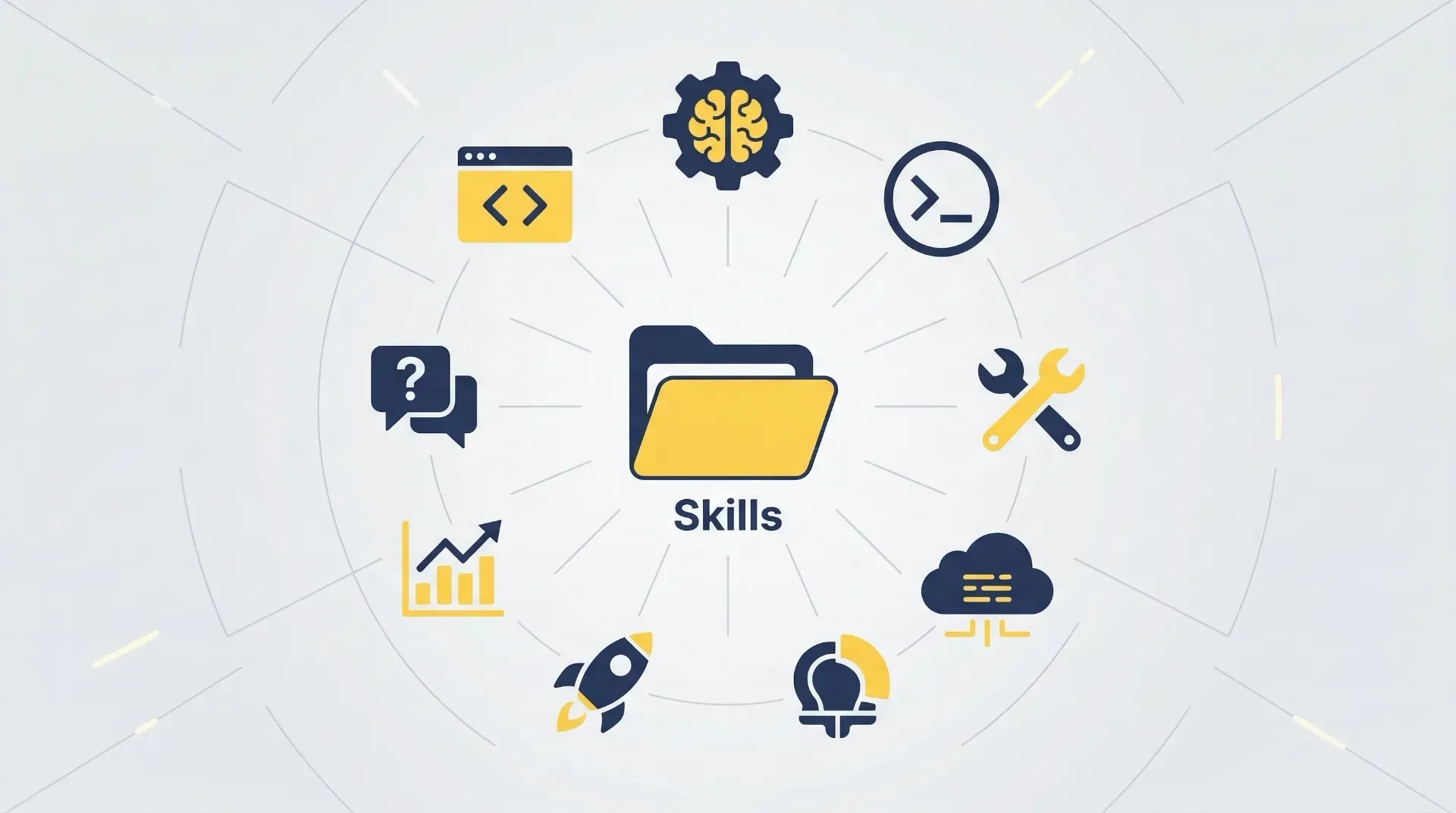
So you could have a dozen Skills set up — one for creating Word documents in your brand style, one for writing social media posts in your voice, one for structuring client reports — and Claude only pulls in what it needs for each conversation.
It’s Not Just a Claude Thing
Here’s where it gets interesting for anyone thinking long-term about their AI setup. Anthropic didn’t keep Skills locked inside Claude. They released the whole thing as an open standard called Agent Skills, published at agentskills.io.
That means a Skill you build for Claude also works in GitHub Copilot, Cursor, VS Code, OpenAI’s Codex, and over 26 other platforms that have already adopted the standard. Build once, use everywhere.
For business owners, that’s a big deal. It means you’re not locked into one AI provider. Your investment in setting up these workflows is portable. If you switch tools tomorrow, your Skills come with you.
Where to Find Pre-Built Skills
You don’t have to build everything from scratch. There are already solid collections out there.
The official starting point is agentskills.io. It has the specification, documentation, and links to example Skills you can learn from or use directly. If you want to understand how the whole system is designed, that’s the place.
For a broader community collection, the awesome-claude-skills repo on GitHub is worth a look. It’s a curated list of Skills covering everything from document processing to development workflows to marketing and content creation.
And if you’re using Claude directly, there are already built-in Skills for common tasks like creating spreadsheets, presentations, Word documents, and PDFs. You don’t need to set those up — they’re ready to go.
Why This Matters for Small Businesses
Look, most of the AI conversation right now is about the big flashy stuff. But the businesses that are actually getting value from AI? They’re the ones building repeatable systems. Not asking the same question a hundred different ways and hoping for a consistent answer. If you’re still figuring out where to actually start with AI, Skills are a great next step once you’ve picked your first tool.
Skills turn AI from something you have to manage into something that manages itself. Your brand voice stays consistent. Your documents come out the same way every time. Your workflows run without you having to babysit every step.
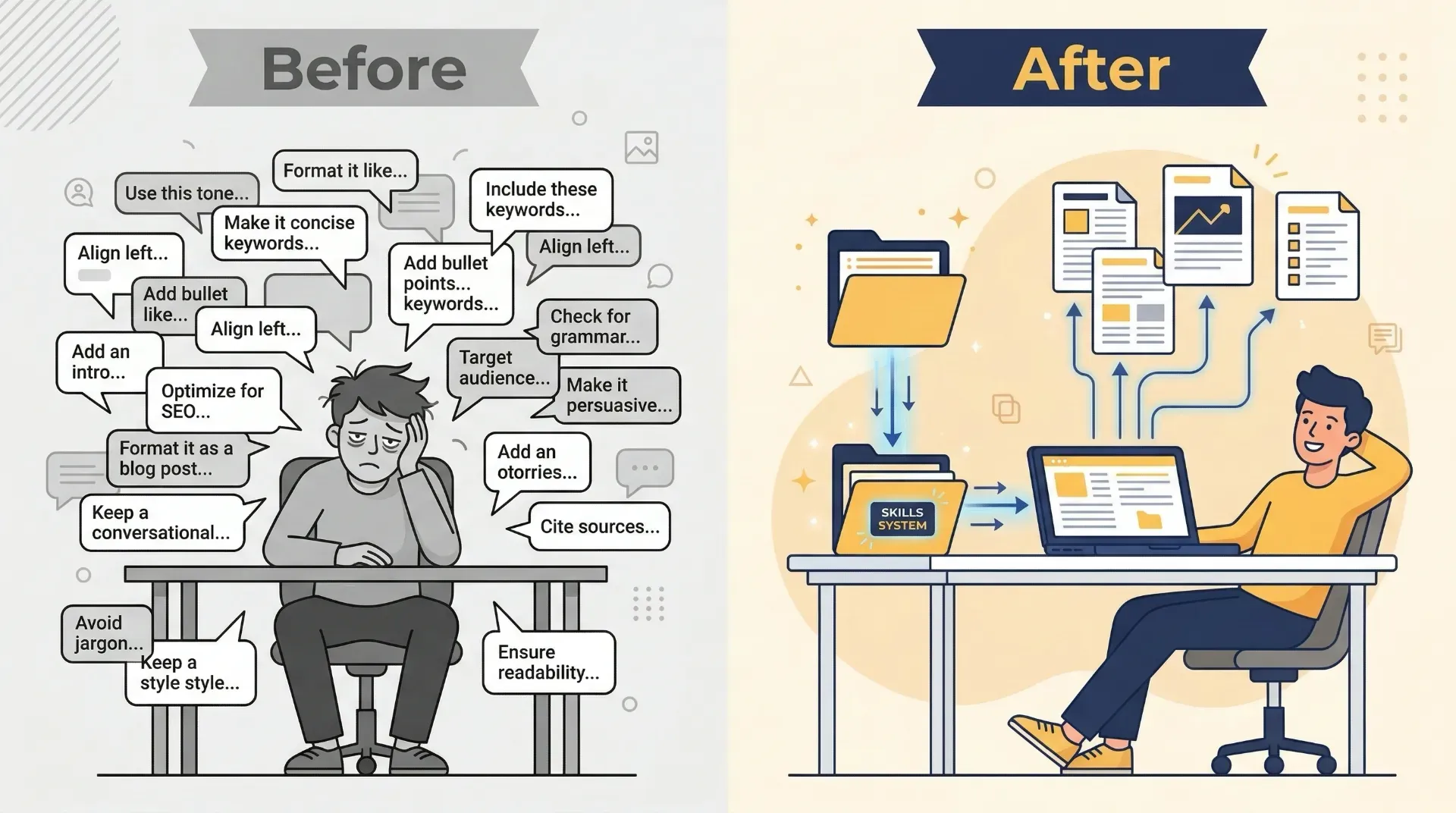
That’s the difference between playing with AI and actually using it. I recently used two Claude Skills to build a full landing page in Astro — from first prompt to live Meta ad tracking — and the workflow was night and day compared to a page builder.
If you’re a business owner trying to figure out where AI fits into what you’re doing, this is one of those things worth getting your head around early. The real cost of not using AI compounds over time — and Skills are how you make sure the investment actually pays off. The businesses that set this up now are the ones that won’t be scrambling to catch up in twelve months.