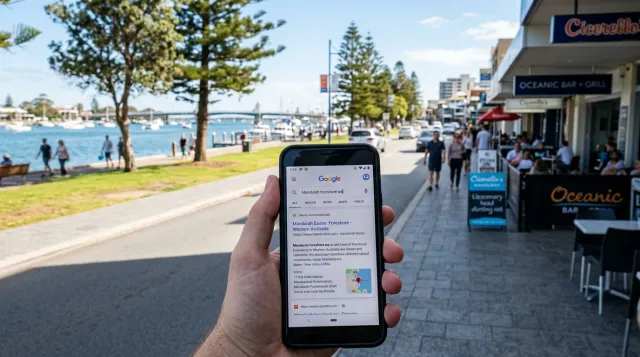

People ask me whether this stuff actually works. Whether a better website, proper marketing setup, or AI tools actually moves the needle for a real local business, or whether it’s just something that sounds good in theory.
So here are two real examples. Both are Australian businesses. Both had similar starting points: a weak or nonexistent online presence, no clear system for bringing in new customers, and a business owner who was good at what they did but not particularly focused on the digital side.
The Yoga Studio
When I started working with this studio, their online presence was essentially nothing. A basic website that hadn’t been updated in a while, no real social media strategy, and most of their bookings coming through word of mouth and people walking in.
The problem with relying on word of mouth alone is that it’s not predictable. You don’t control it and you can’t scale it.
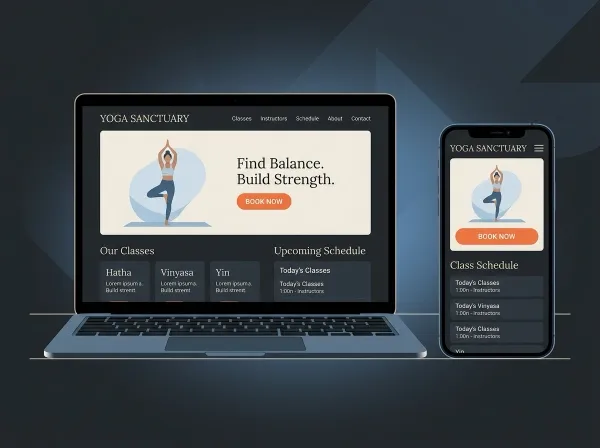
We built a proper website with online booking integrated directly. A potential client who found them at 10pm on a Sunday could book a class without waiting for someone to reply to a message. We set up a YouTube channel and podcast as content channels, built out their social presence, and made sure everything connected.
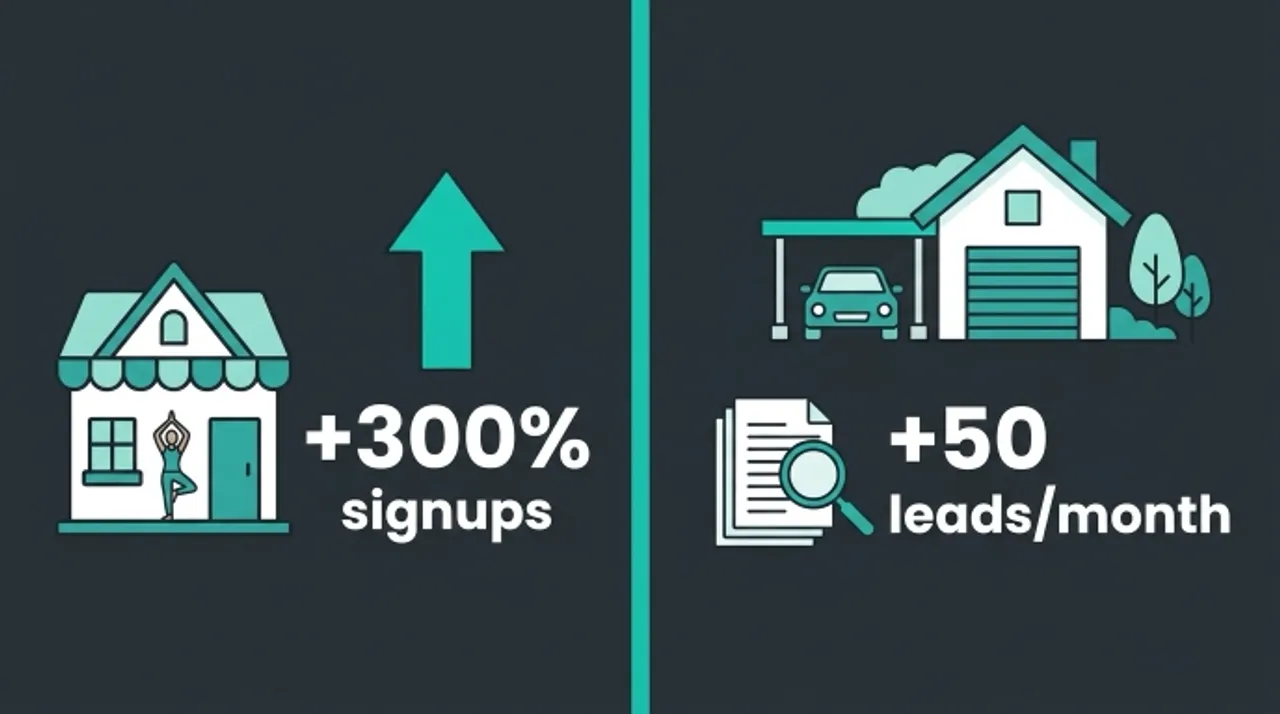
The results over the following period: website visits doubled. New client signups increased by around 300%. Those aren’t figures I’m estimating, those are what we tracked.
The key was that it wasn’t just a website. It was a complete online presence that worked together. Someone finds a video, goes to the website, books a class. That’s the journey. We built the whole thing, not just one part of it.
The Carport Company
This one was different. A trade business doing good work, mostly getting jobs through referrals and some word of mouth. The owner had dabbled with Facebook ads but hadn’t seen much from them.
The problem wasn’t the product or the service. The problem was the targeting and the setup. Reaching the right people with the right message in the right place is a different skill from running ads.
We rebuilt the Meta ads setup from scratch. Proper audience targeting, compelling creative, and a landing page that was built to convert rather than just exist. We also made sure the follow-up process was sorted, so leads that came in actually got responded to quickly.
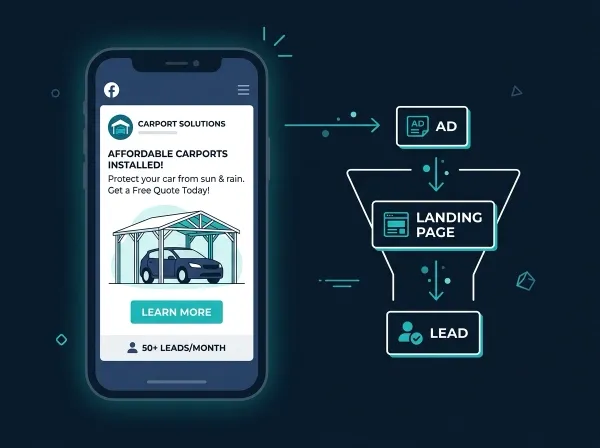
We’re now pulling in over fifty qualified leads a month for that business. Consistently. Every month. People in the right area who are actively interested in getting a carport installed.
For a trade business, that’s a completely different growth trajectory than relying on referrals and hoping the phone rings.
What These Two Cases Have in Common
Different businesses, different tactics. But the underlying thing was the same in both cases.
We thought about the customer journey properly. Who are they? Where are they when they’re thinking about this problem? What do they need to see to go from curious to ready to enquire? And then we built the things that move them through that journey.
That’s not particularly complicated thinking. But it’s surprising how rarely it actually gets applied.
Most businesses have a website because they think they should. Some run ads because someone told them to. Very few have actually thought through what happens when someone sees their business online for the first time, and what needs to be in place to turn that into a customer. If your website isn’t pulling its weight, it might be costing you more than you think.
That’s the conversation I have with businesses before I do anything else. What are we actually trying to achieve? Then we work backwards from there.
If that sounds like something your business could use, get in touch. I work with small businesses across Australia, whether it’s web design, digital marketing, or AI consulting. Here’s a broader look at what digital marketing actually involves for a Mandurah small business.
Talk to Digital Den. Let’s figure out what’s worth doing for your business.