

WA jumped 8 percentage points in AI adoption in a single quarter last year. From 21% to 29% of small businesses actively using AI in their operations.
That kind of jump doesn’t happen by accident. Something shifted.
I’ve been working with small businesses in Australia for twenty years, mostly in Gold Coast and around Mandurah. And I can tell you what I’m seeing on the ground matches those numbers. Business owners who dismissed AI twelve months ago are now asking me about it in almost every conversation.
So what changed?
The Tools Got Easier
A year ago, using AI tools properly required some technical patience. You had to understand how to write a good prompt, know which tool did what, and be comfortable with outputs that were sometimes quite rough.
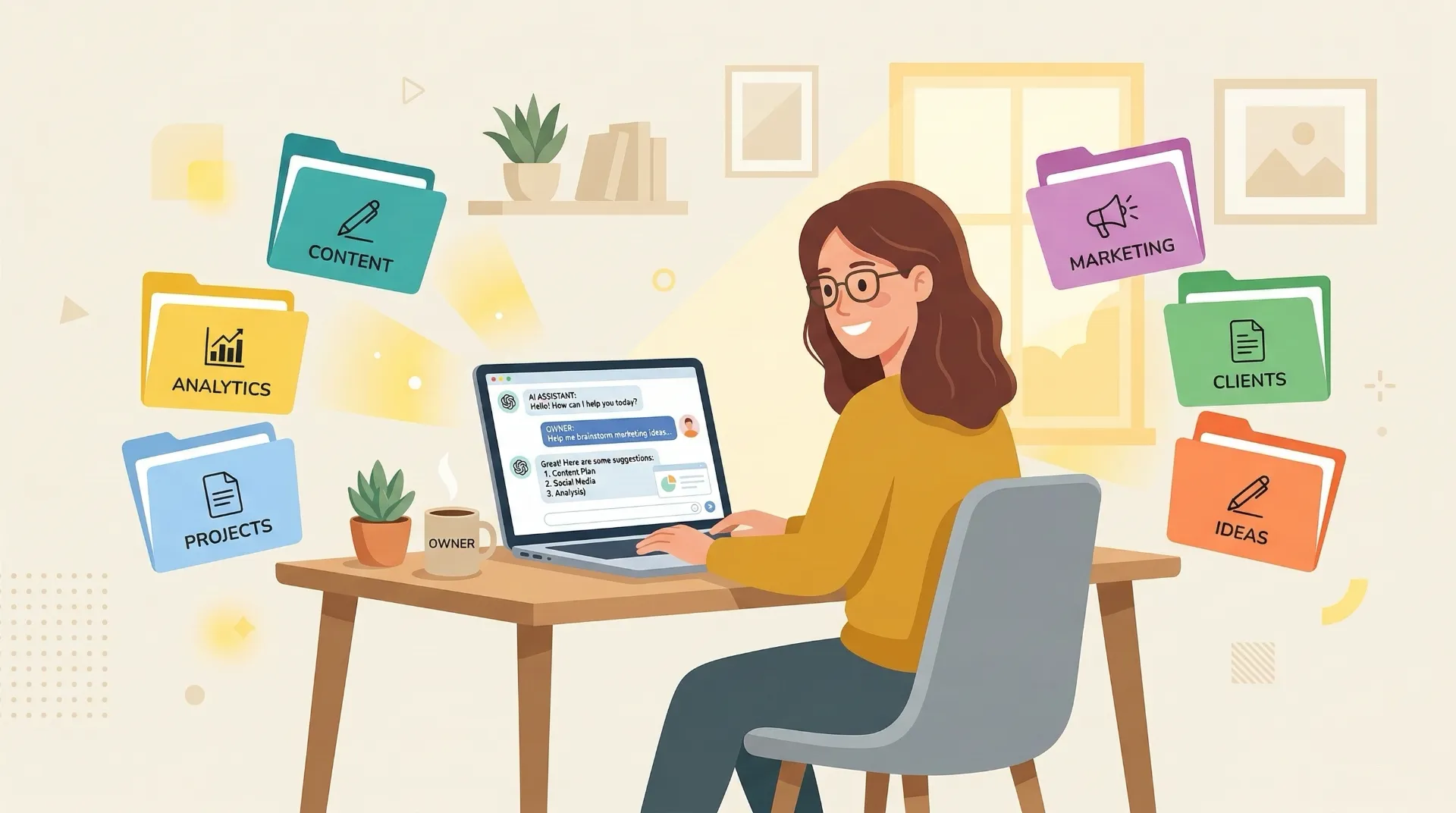
That’s changed a lot. The tools are faster, the outputs are better, and the learning curve is shorter. A 58-year-old cafe owner in Mandurah can now use ChatGPT to write a week’s worth of Instagram captions in 20 minutes without any training.
That’s new. And it matters.
The Word Got Out
There’s also a social effect happening. When one business owner in a local network starts saving time with AI, they talk about it. Word travels fast in tight local business communities.
I’ve had people book calls with me specifically because their competitor — or their mate — mentioned they were using AI to handle something, and suddenly it felt real rather than theoretical.

What WA Businesses Are Actually Using It For
From what I’m seeing locally, the most common use cases are:
Writing. Social media posts, email newsletters, website copy, quote follow-ups. Anything text-based. This is where most businesses start and it’s the right place to start — the time savings are immediate and obvious. (We break down the 5 best tools for this.)
Customer communication. Response templates, FAQ content, handling routine enquiries. Particularly useful for service businesses that get the same questions over and over.
Marketing content. Promotional material, product descriptions, specials and offers. Canva’s AI tools have made this accessible to people who’d never describe themselves as creative. The trick is making it sound like you, not a robot.
The Gap That Still Exists
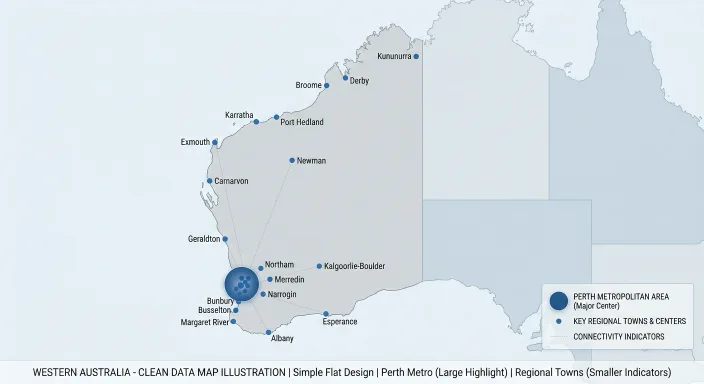
Here’s the honest part: there’s still a significant gap between metro and regional WA when it comes to AI adoption.
Businesses in Perth’s CBD have more access to tech-literate staff, more exposure to other businesses using AI, and more resources to experiment. If you’re running a business in a regional area — Mandurah, Bunbury, the South West — you’re probably a bit behind, but you also have less competition breathing down your neck.
That’s actually an advantage. You can take your time, get this right, and leapfrog local competitors who are still doing everything manually.
What This Means for You
If you’re a WA small business owner who hasn’t started with AI yet, the window where you can ignore it and still compete is getting smaller.
That’s not hype. That’s just what happens when a useful tool becomes widespread — the businesses that adopt it gain efficiency, and the ones that don’t gradually fall behind.
But the good news is you don’t need to become a technology expert. You need to spend two or three hours experimenting with one tool, find one thing it helps with, and build from there. We wrote a step-by-step starting point in AI for Small Business: Where Do You Actually Start?
If you’re also thinking about getting your business online properly, our guide on why local businesses in Mandurah are going digital covers the full picture.
The rest follows pretty naturally.
If you want to talk about what AI might actually look like in your specific WA business, I’m easy to reach. No sales pitch, just a straight conversation.