
Websites that win customers.
Everything that goes into a website that actually earns its keep — design, cost, performance and the mistakes that quietly cost small businesses customers.
What actually makes a website work.
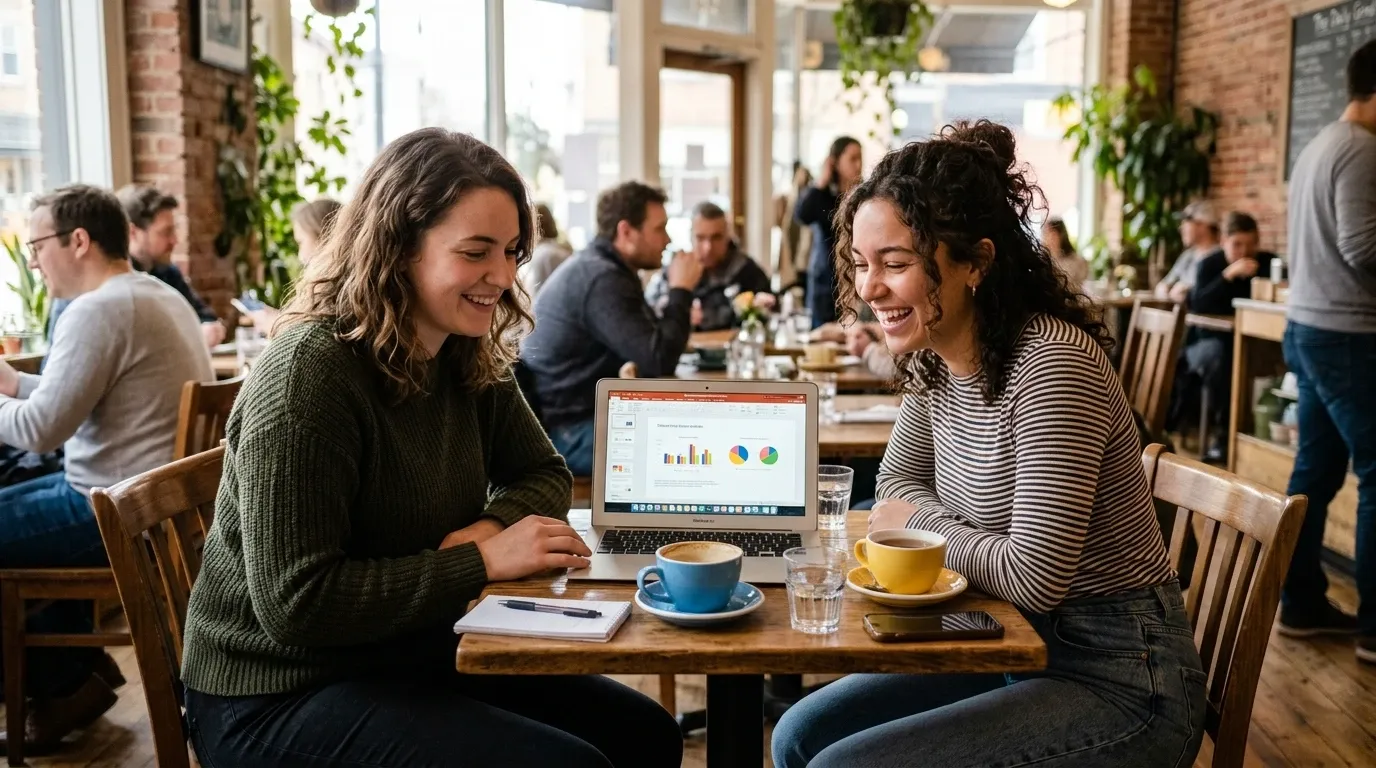
Most small business websites are quietly underperforming, and their owners have no idea. The site looks fine, it's "been done", and then it just sits there — not bringing in calls, not showing up on Google, not really earning its keep. If that sounds familiar, you're not doing anything wrong. Almost nobody explains what a website is actually for, so it ends up treated like a digital business card instead of what it should be: your hardest-working salesperson.
A good website works while you sleep. It answers the questions a customer has at 9pm on a Sunday, builds enough trust that they pick you over the next three options, and makes the next step — call, book, enquire — completely obvious. A bad one does the opposite: it confuses people, loads slowly, looks dated, and sends them straight back to Google to find someone else. The gap between those two outcomes usually comes down to a handful of fundamentals.
What a website is really for
Before design, before colours, before "can we make the logo bigger" — get clear on the job. For a local small business, a website almost always has one primary purpose: turn a stranger who found you into an enquiry. Everything else (looking professional, ranking on Google, showcasing your work) serves that goal. When you judge every decision against "does this help someone take the next step?", the right choices get a lot easier to see.
The fundamentals that separate good from forgettable
You don't need to understand code to know whether a website is set up to win customers. These are the things that consistently make the difference:
- Clarity in five seconds: a visitor should instantly know what you do, who you do it for, and where you're based. Confusion is the fastest way to lose them.
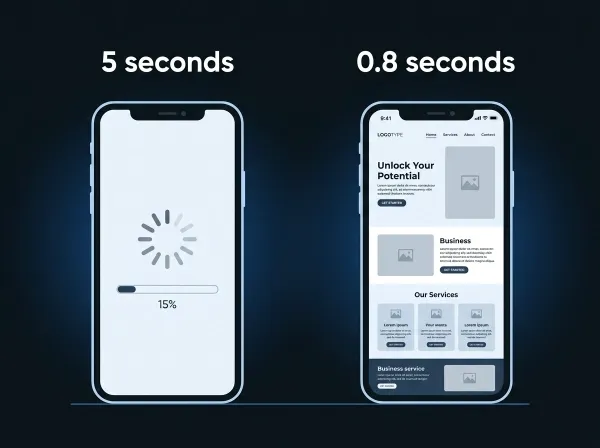
- Speed: if a page takes more than a few seconds to load, a large chunk of people leave before they ever see it. Fast sites simply convert better.
- Mobile first: most local searches happen on a phone. A site that's awkward to tap, pinch and scroll on mobile is losing the majority of its traffic.
- Trust signals: real photos, genuine reviews, a local address and clear contact details quietly reassure people that you're a real, reliable business.
- One obvious next step: every page should make it dead easy to call, book or enquire. If people have to hunt for how to contact you, many won't bother.
None of this is flashy. It's the unglamorous stuff that actually moves the needle — and it's exactly what gets skipped when a site is built to look pretty rather than to perform.
The mistakes that quietly cost you customers
When a website isn't pulling its weight, it's usually one of a few familiar culprits. It's invisible on Google, so nobody finds it. It's slow or clunky on mobile, so the people who do find it leave. It looks like it was last touched in 2015, so it dents trust instead of building it. Or it simply never asks for the sale — no clear call to action, no booking option, nothing. Any one of these can be the difference between a website that pays for itself and one that just costs money. I pulled the most common ones together in this rundown of the warning signs.
What a website should actually cost
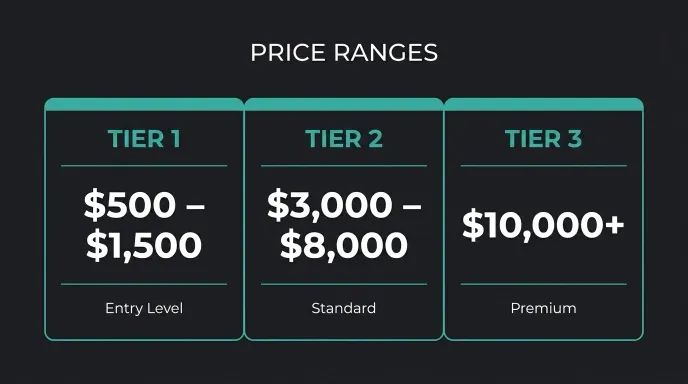
This is where a lot of owners get stuck, and understandably so — quotes range from a few hundred dollars to tens of thousands, often for what sounds like the same thing. The honest answer is that price tracks value: a cheap template you wrestle together yourself can work for a side hustle, while a custom-built site designed to rank and convert is an investment that pays back through the customers it brings in. The trick is matching the spend to the job, not overpaying for features you'll never use or underpaying for a site that can't do its one job. I break down real local pricing in my guide to what a Mandurah small business website actually costs.
Template vs custom, and keeping it alive
Templates and DIY builders have their place — they're quick and cheap to start. But they tend to look generic, get sluggish as you add to them, and box you in when you want something specific. A purpose-built site costs more upfront and rewards you with speed, flexibility and a look that's genuinely yours. Whichever route you take, a website is never truly "finished": software updates, content refreshes and the odd fix are what keep it fast, secure and ranking. A site left untouched for a couple of years almost always slides backwards.
How to use this section
The featured guides below are the best starting points — the full build playbook, what a site really costs, and how to choose a designer you can trust. The latest articles keep you current on design trends, SEO and the tools that are changing how sites get built. And when you'd rather have it handled properly, our web design and development service builds fast, modern sites for Mandurah and WA businesses that are made to win customers — not just sit there looking nice.
Start here: the website guides that matter most.
Thinking about a new site or fixing the one you have? These three cover the essentials — how to build it right, what it should cost, and who to trust with it.
Guide to Building a High-Converting Small Biz Website
Your website should be your number one salesperson. Here's how to transform it into a lead-generating machine with clear CTAs, smart design, and optimised content.
What Does a Small Business Website Actually Cost in Mandurah?
The price range for websites in Australia is huge, from a few hundred dollars to tens of thousands. Here's an honest breakdown of what you're actually paying for.
What to Look for When Choosing a Web Designer in Mandurah
Not all web designers are equal. Here's what actually matters when choosing someone to build your Mandurah business website — and what to watch out for.

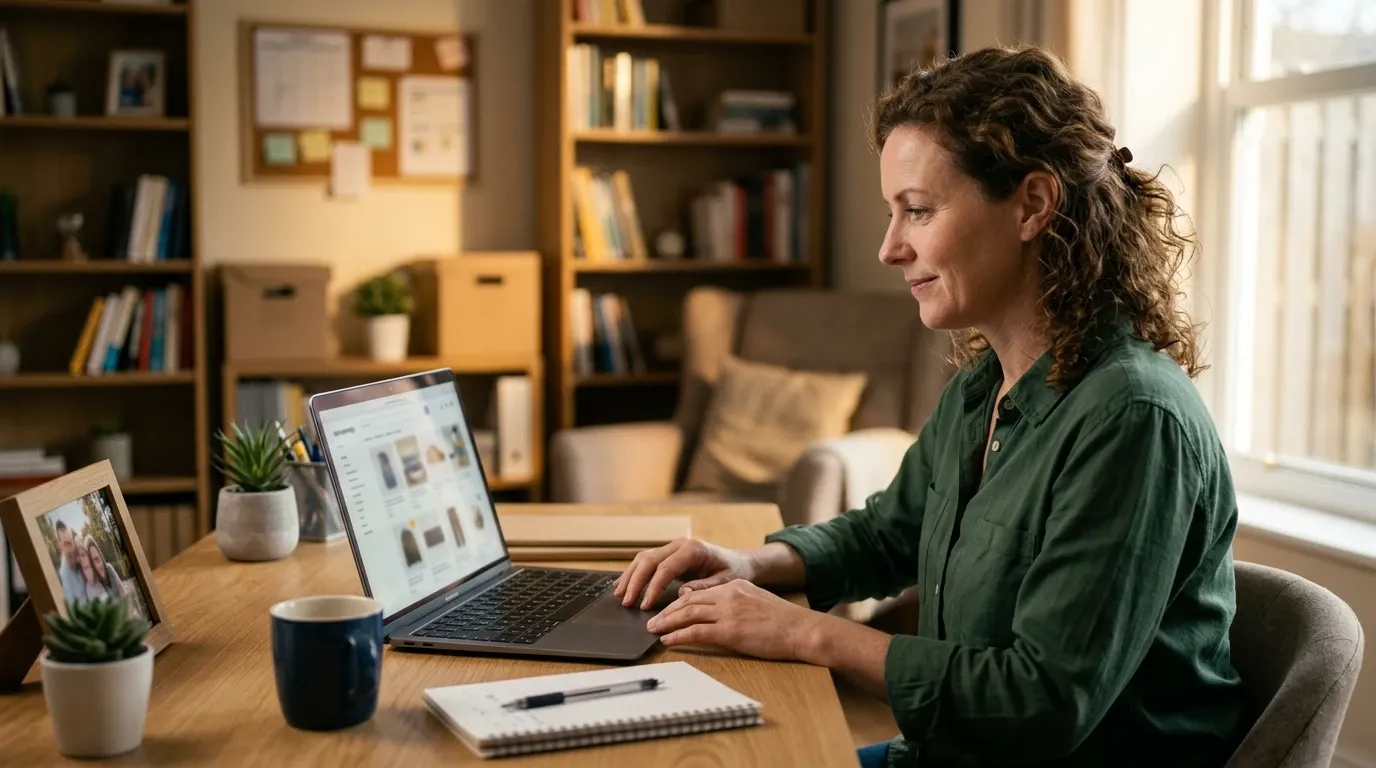
Latest in web & websites.
Design trends, SEO and the tools changing how small business sites get built.
Converting a WordPress Site to Astro Using AI Design Tools
Walking through how I moved a live WordPress and Elementor site to Astro on Cloudflare, using Google Stitch, Claude Code and Nano Banana to compress what used to be weeks of design iteration into an afternoon.
Why Your Mandurah Business Website Needs Regular Maintenance
A website isn't a set and forget job. Here's what regular website maintenance actually involves and why ignoring it will cost you more in the long run.
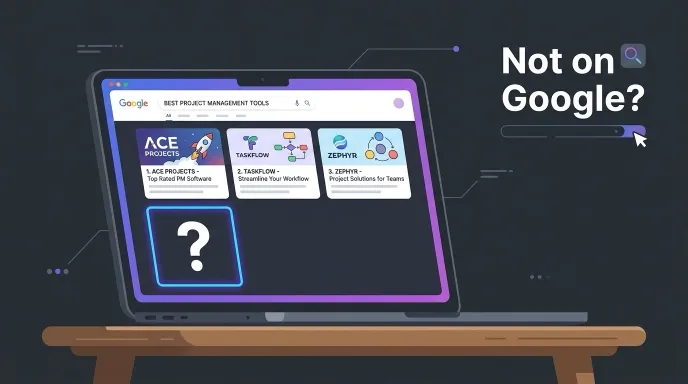
Why Your Mandurah Business Website Isn't Showing Up on Google (And How to Fix It)
If your website isn't appearing in Google searches, there's a reason, and it's usually not what you think. Here's what's actually going on and what to do about it.
Is Your Website Costing You Customers? 6 Signs
Your website is often the first impression people get of your business. Here are the telltale signs it's time for a refresh.
Can AI Build My Small Business Website?
It's the question I get asked daily. After 20 years in web design, here's the honest answer about what AI can and can't do for your website.
Affordable Web Site Solutions for Small Business
Having a website isn't just handy for small businesses — it's a must. Here's how to build trust online and attract new customers without breaking the bank.
Web Design Tips Every Business Should Follow
From Schema markup to mobile optimisation, these web design tips will help small businesses drive more traffic and convert more visitors.
What's the Perfect Small Business Website Builder?
Choosing the right website builder is a big decision. I break down offline vs online builders, costs, customisation, and what to look for.
Top Trends in Small Business Website Design
From mobile-first design to SEO strategies, here are the website design trends every small business owner needs to know about.
Mastering Landing Page A/B Testing Techniques
A/B testing is your go-to move for boosting landing page conversions. Learn about CTA language, message matching, visual elements, and key metrics.
Key Landing Page Best Practices for You
From your unique selling proposition to mobile optimisation, here's everything you need to know about crafting landing pages that actually convert.
Transform Your Business with Landing Page Lead Generation
Landing pages are crucial for turning visitors into paying customers. Learn about page speed, distraction-free design, and strategies that actually convert.





Ready to build something better?
Knowing what makes a website work is one thing — having it built is another. These services turn the ideas above into a site that earns its keep.
Web design
Fast, modern, custom-built websites for Mandurah and WA businesses — designed to rank on Google and turn visitors into enquiries.
Digital marketing
A great site needs traffic. I bring the right visitors through SEO, Google Ads and social so your website has people to convert.
Explore more from the blog
Let's have a chat.
Tell me what you're trying to fix or grow and I'll tell you what I'd do about it — whether or not you end up hiring me.